
Innovations Transforming the Medical Field Today

The medical field is constantly evolving, driven by innovations that improve patient care, streamline operations, and enhance treatment outcomes. Today, advancements in technology are bringing about revolutionary changes that were once unimaginable. This blog post explores some of the most significant innovations transforming the medical field today.
Medical Innovations in Diagnostics
One of the most remarkable advancements is in the area of diagnostics. The ability to accurately diagnose illnesses is crucial for effective treatment. Innovations like artificial intelligence (AI) are changing the landscape of diagnostic procedures.
AI algorithms can analyze medical images with remarkable precision. For instance, tools powered by AI can detect certain skin cancers in images at a rate that rivals seasoned dermatologists. A study from the American Academy of Dermatology reveals that these AI systems can identify malignancies with over 90% accuracy.

Moreover, wearable devices are becoming increasingly sophisticated. Smartwatches and other wearables can now monitor vital signs, detect changes in heart rhythm, and send alerts to users and healthcare providers. This continuous monitoring empowers patients to take control of their health and enables early intervention, potentially saving lives.
Telemedicine: Bridging Gaps in Patient Care
Telemedicine has surged in popularity, especially following the COVID-19 pandemic. Remote consultations allow doctors and patients to connect without the need for physical visits. Telemedicine platforms have enabled access to specialists who may not be available locally.
Statistics show that telehealth visits increased by over 154% in 2020 alone. This innovation has not only improved access to care but has also significantly reduced wait times for patients. For those living in remote areas, telemedicine represents a vital tool in accessing healthcare.

Furthermore, telemedicine supports mental health treatment. Virtual therapy sessions have made it easier for individuals to seek help, removing barriers like stigma and commuting issues. This shift to digital mental health care is transforming how we approach psychological well-being.
Robotics: Revolutionizing Surgical Procedures
Robotics is another groundbreaking innovation in the medical field. Surgical robots enhance the capabilities of surgeons, allowing for minimally invasive procedures that lead to shorter recovery times.
Robotic-assisted surgeries are becoming the norm in various specialties, from urology to orthopedics. For example, the Da Vinci Surgical System offers precision that is hard to achieve with the human hand alone. According to the Journal of Robotic Surgery, robotic surgery procedures have a significantly lower complication rate and shorter hospital stays.
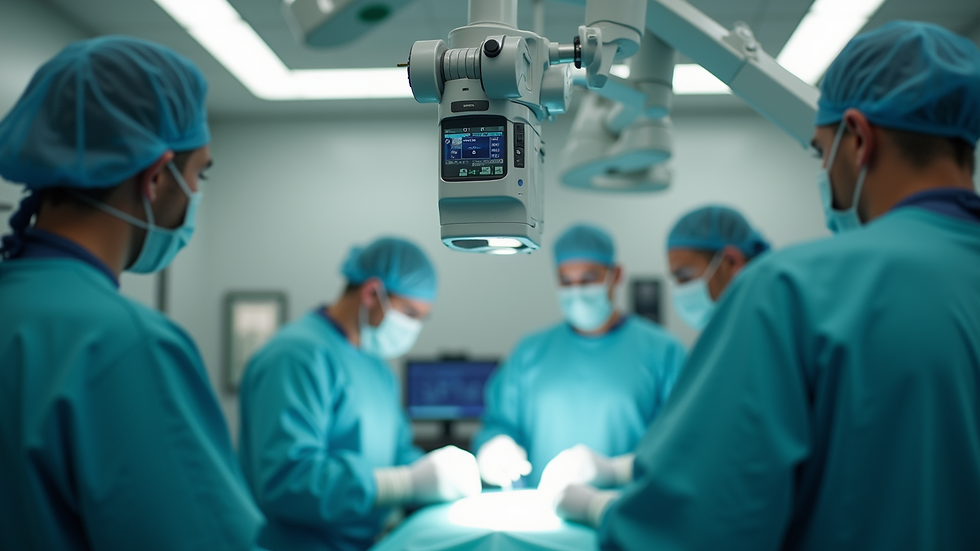
Additionally, robotic systems provide surgeons with enhanced visualization and dexterity. These innovations not only improve outcomes but also enhance the training experience for upcoming surgeons.
Patient Management Systems: Optimizing Healthcare Operations
Another vital innovation in the medical field is the enhancement of patient management systems. Electronic Health Records (EHRs) have become more user-friendly and integrated, streamlining patient data management.
These systems are designed to simplify documentation, enhance communication among healthcare providers, and promote coordinated care. A study published in the International Journal of Medical Informatics found that improved EHR systems led to better patient outcomes and a reduction in administrative errors.
In addition, data analytics tools are increasingly being utilized in healthcare to track patterns and identify trends. For instance, predictive analytics can foresee spikes in patient admissions based on historical data and current trends, enabling healthcare facilities to prepare adequately.
The Role of Advanced Medical Equipment
Alongside these innovations, the development of advanced medical equipment has played a crucial role in transforming patient care. Equipment like 3D printers in hospitals is revolutionizing how prosthetics and even organ tissues are created and utilized.
Organ-on-a-chip technology allows researchers to create miniature organs that can help in drug testing and disease research. This not only accelerates the development of new treatments but also lowers the cost and ethical concerns associated with traditional methods.
Future Innovations: What Lies Ahead
As we look ahead, the future of medical innovations is promising. Machine learning and big data are expected to play increasingly vital roles in predictive analytics. Innovations like CRISPR gene editing have the potential to target and cure genetic disorders effectively.
Moreover, augmented reality (AR) and virtual reality (VR) are set to revolutionize medical training. Young medical professionals can use AR and VR for simulations, practicing intricate procedures without risk to real patients.
In summary, the innovations transforming the medical field today are numerous and varied. From advanced diagnostics and telemedicine to robotics and improved patient management systems, these developments stand to enhance patient care and shape the future of healthcare.

The medical field is in the midst of a transformation that is making healthcare more efficient, accessible, and effective. As technology continues to advance, we can expect even more exciting developments that will improve patient experiences and outcomes.



Comments