
A Happy Mouth is a Happy Life (World Oral Health Day)

Updated: Mar 30

When you think of poor oral hygiene what comes to mind?
If you thought, bad breath, you are not wrong. Bad breath(Halitosis) is a dreadful condition. No one wants that. It has so many devastating consequences. Here are a few:
1. Low Self-Confidence
People with persistent bad breath often become self-conscious about speaking, smiling, or being close to others.
2. Social Withdrawal
Fear of embarrassment can lead to avoiding conversations, social gatherings, or even close relationships.
3. Strained Personal Relationships
Bad breath can create discomfort in intimate or close interactions, affecting friendships, romantic relationships, and family dynamics.
4. Professional Limitations
In workplaces that require communication (presentations, meetings, client interaction), halitosis can reduce confidence and impact performance.
5. Anxiety and Social Phobia
Yes! bad breath can contribute to mental health conditions, particularly social anxiety. Some individuals develop excessive worry about how they are perceived.
6. Depression (Indirect Link)
Chronic embarrassment and isolation may contribute to low mood or depressive symptoms over time, especially if untreated.
7. Reduced Quality of Life
Persistent discomfort, embarrassment, and health issues can affect daily activities, eating habits, and overall well-being.
8. Misjudgment by Others
People may (unfairly) associate bad breath with poor hygiene or neglect, leading to stigma or negative perceptions.
Neglecting your mouth can affect your confidence, relationships, and quality of life.
Bad breath is often a symptom, not just a condition. It is also a pointer to underlying conditions. It may signal:
Gum disease (periodontitis)
Tooth decay
Oral infections
Sinus or respiratory infections
Gastrointestinal issues
Ignoring bad breath often means ignoring the root cause, which can lead to worsening conditions like gum disease, eventual tooth loss or other complications.
So, What Happens When You Ignore Your Oral Health?
DID YOU KNOW THAT
1. Oral diseases affect nearly 3.5–3.7 billion people worldwide?
2. Untreated tooth decay is the most common health condition globally?
3. Severe gum disease affects about 1 billion people worldwide?
4. Oral diseases can cause pain, infection, and difficulty eating, speaking, and even learning?
5. Poor oral health is linked to serious conditions like heart disease and stroke
6. Almost half of the global population lives with some form of oral disease?
7. Gum disease is a leading cause of tooth loss in adults?
8. Many oral diseases are preventable with simple daily habits?
Your mouth is not separate from your body, it is the gateway to your overall health.
The Silent Problem: You Might Be Neglecting Your Oral Health Without Knowing
Many people think:
“If I don’t have bad breath, my oral health is good”
“If it doesn’t hurt, it’s fine.”
“Bleeding gums mean I brushed too hard.”
But the truth is, oral diseases often develop quietly and progressively. By the time symptoms become obvious, significant damage may already have occurred.
In many communities, especially in low-resource settings, oral health is often overlooked due to limited awareness and access to care even though it is largely preventable.
Simple Ways to Take Care of Your Oral Health
A healthy mouth doesn’t require expensive routines just consistent habits:
Brush your teeth twice daily with fluoride toothpaste
(Use a mirror to ensure you don’t miss food particles stuck in between the teeth)
Floss at least once a day
Reduce sugary foods and drinks
Stay hydrated
Avoid tobacco and limit alcohol
Visit a dentist regularly for check-ups
Eat a balanced diet rich in fruits and vegetables
You probably know all these, but how many times a day do you brush, do you own a pack of floss? When was your last visit to the dentist? What did you consume on Friday night?
Knowledge does no good if you don’t practice. Take this as a reminder to JUST DO IT.
Dental Hygiene Tools That Make a Difference
Taking care of your mouth is easier when you use the right tools:
1. Toothbrush (Manual or Electric)
Your most important tool. A medium-bristled toothbrush helps remove plaque and food debris. Electric toothbrushes can be more effective, especially for people who struggle with proper brushing technique.

2. Fluoride Toothpaste
fluoride strengthens enamel and helps prevent cavities. It’s one of the simplest and most effective ways to protect your teeth.
3. Dental Floss
Cleans between your teeth where your toothbrush cannot reach. Skipping flossing is one of the most common ways people unknowingly neglect their oral health.

4. Mouthwash
Helps reduce bacteria, freshen breath, and in some cases, provide additional protection against gum disease and cavities.

5. Tongue Scraper (or Tongue Cleaner)
Removes bacteria from the tongue (used gently). Many people ignore their tongue, yet it harbors bacteria that cause bad breath. Cleaning it regularly can significantly improve oral hygiene.

6. Interdental Brushes
Small brushes designed to clean between teeth, especially useful for people with braces, gaps, or gum disease.

7. Water Flosser (Oral Irrigator)
Uses a stream of water to clean between teeth and along the gum line. A great alternative for people who find traditional flossing difficult.

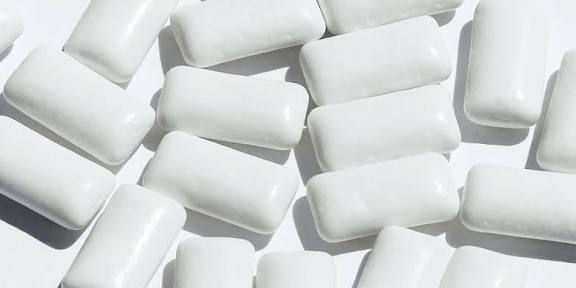
8. Chewing Gum (Sugar-Free)
Stimulates saliva production, which helps wash away food particles and neutralize acids especially useful when brushing isn’t immediately possible.
9. Dental Picks
Small tools used to remove food stuck between teeth. Helpful, but should be used gently to avoid damaging the gums.

10. Fluoride Gel or At-Home Treatments
Recommended for people at higher risk of cavities, these provide extra protection and strengthen enamel over time.
Do you have these tools? Do you used then consistently and correctly?
What Most People Get Wrong
Many people have these tools but don’t use them properly:
Brushing once a day instead of twice
Ignoring floss completely
Never cleaning their tongue
Using mouthwash as a substitute for brushing (it’s not!)
You don’t need a dental clinic at home to maintain good oral health. With just a few simple tools and the right habits, you can prevent most oral diseases before they even start.
For the Dentists and Dental Health Professionals
1. Mouth Mirror
A small angled mirror that helps dentists see hard-to-reach areas inside your mouth.

2. Dental Probe (Explorer)
A sharp, hook-like tool used to check for cavities, plaque, and gum disease.

3. Scaler
Used to remove plaque and tartar buildup from teeth, especially below the gum line.
The Ultrasonic Scaler Machine Uses high-frequency vibrations to remove plaque and tartar efficiently, especially in professional cleaning procedures.

4. Dental Drill (Handpiece)
A high-speed rotating tool used to remove decay and shape teeth for fillings.

5. Dental Suction System (Vacuum Unit)
Removes saliva, blood, and debris during procedures, keeping the working field clean, dry and visible.

6. Dental X-ray Machine
Used to capture detailed images of teeth and jaw structures, helping detect hidden decay, infections, and bone loss.

7. Polishing Tool
A rotating rubber cup used with polishing paste to clean and smooth the teeth.
8. Fluoride Applicator (Tray or Varnish Brush)
Used to apply fluoride treatment that strengthens enamel and prevents decay.
9. Air-Water Syringe
Sprays air, water, or a combination to clean and dry teeth during examinations.
10. Dental Forceps
Used to hold or extract teeth when necessary.
11. Dental Chair Unit
The central piece of any dental clinic, combining the patient chair, lighting, delivery system, and controls. It ensures comfort, proper positioning, and efficiency during procedures.

12. Operating Light (Dental Light)
A powerful overhead light that provides clear visibility inside the mouth, essential for accurate diagnosis and treatment.
13. Dental Delivery System
Houses key instruments like handpieces, air-water syringes, and suction controls—basically the dentist’s main workstation.
14. Dental Handpieces (High-speed & Low-speed)
These include drills used for cutting, polishing, and removing decay. High-quality handpieces are a major investment for clinics.
15. Autoclave (Sterilization Unit)
A critical infection-control device that sterilizes instruments using high-pressure steam, ensuring patient safety.
16. Dental Compressor
Provides compressed air to power dental tools like handpieces and syringes—essential for running a clinic.
17. Intraoral Camera
A small camera that captures detailed images inside the mouth, used for diagnosis, patient education, and documentation.
These tools are investments whose returns are
Efficient workflow
Accurate diagnosis
Patient safety and comfort
Compliance with health standards
Eustar and Gold supports you on every step of your way from home to the clinic
Finally
Your smile is more than just aesthetics it is a reflection of your overall health.
This World Oral Health Day, remember:
Small daily habits can prevent lifelong problems.
Take care of your mouth a brighter smile and a healthier, happier life.


Comments